Shrink the Lawn, Keep the Green
You do not have to choose between a lawn and a garden. Take back the hard-to-mow edges with no-dig sheet mulch and plant the space you already own.

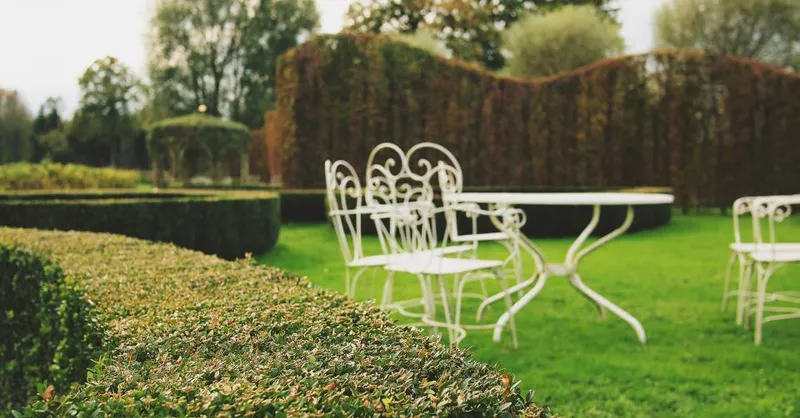
A lawn is a crop. It is a crop you mow instead of harvest, and like any crop it wants feeding, watering and regular attention to stay in good condition. None of that is wrong — a lawn is a fine thing to have, especially where children or a dog use it. The mistake is keeping more lawn than you use. Most yards have a rectangle of short grass in the middle that earns its keep, plus a set of awkward strips around the edges that exist only because mowing them is easier than deciding what else to do. Those edges are where a garden begins.
Measure the lawn you actually use
Before you dig anything up, watch the yard for a couple of weeks and notice where people walk, sit, and play. That footprint is your lawn. Everything outside it is a maintenance bill: the strip along the fence, the shaded patch under the tree that never grows well, the slope you have to mow sideways, the corner behind the shed.
The shaded patch is usually the first one to take. Grass needs sun, and a thin patch under a tree is grass losing a fight it will keep losing. Take that ground back, plant for shade, and you have removed a mowing problem and gained a planting bed in the same move.
Start at the edges, not the middle
The instinct is to dig up a big new bed in the center of the view. Resist it. The best first conversion is the outline: a strip a few feet deep along a fence, a curve around the base of a tree, a band where the lawn meets the sidewalk. Curved edges are easier to mow along than a collection of small corners, and a planted border instantly makes a plain lawn look designed.
An edge is also cheap to get wrong and easy to change. You can widen a border next year or narrow it if the remaining lawn feels cramped. A bed you carved out of the middle of the yard is a bigger commitment and a bigger repair if you change your mind.
Sheet mulch: the no-dig way to take ground
You do not need to strip turf, and you should not. Lifting sod is heavy work that destroys the soil structure you are about to plant into. Sheet mulching does the same job slowly and leaves better soil behind.
Mark the new edge with a hose or a line of sand. Cut the grass short. Then lay overlapping sheets of plain cardboard — no glossy print, no tape — directly over the turf, wetting it as you go so it sits flat. Cover the cardboard with several inches of compost, then mulch on top. The cardboard blocks light, the grass underneath dies and breaks down, and worms work the whole layer into the soil below. In a season you have a bed you can plant straight into.
Plant through it in the meantime by cutting a hole in the cardboard and setting the plant into the compost. A young shrub or perennial does not need the whole bed to be finished; it needs its own hole and a clear run at the light.
What to plant at the new edge
What goes in the bed is a question about your light, not about fashion. In sun, the low-maintenance options are the ones that spread and knit together: low shrubs, ornamental grasses, and perennials that fill in without needing division every other year. In shade, ferns, hellebores and shade-tolerant ground covers do the same work.
Ground cover is the part people get wrong. A ground cover is not a plant that magically stops weeds; it is a plant dense enough to outcompete them once it has filled in. Until then, mulch does the weeding. Choose something that suits your soil and let it run, and cover the bare soil with mulch in the meantime so you are not weeding a bed you just made.
If the space is small enough that a bed does not fit, the same logic applies at patio scale: a few generous containers along the edge do the job of a border, which is the idea behind a small patio that feels like a garden room.
Keep a path, so the garden still works
The fastest way to ruin a new border is to make it impossible to walk through. Leave a mown path where you actually cross the yard, and make it wide enough to wheel a barrow down. A garden you have to step over is a garden you stop tending.
Paths also keep the design honest. A strip of grass running between two beds reads as intentional; a random lawn fragment left behind because you ran out of weekend reads as unfinished. When you convert the edges, decide the shape of what remains rather than letting it be whatever is left over.
The mowing you get back
The payoff of shrinking the lawn is not moral, it is practical. Every strip you convert is a strip you no longer edge, mow, or trim, week after week through the growing season. Fewer awkward corners means the mowing that remains takes a fraction of the time, because the slow part of mowing a yard is never the straight runs — it is the fiddly edges.
Once the outline is planted, the remaining lawn is also easier to keep looking good. A smaller lawn that gets proper feeding and watering looks better than a big one that gets whatever is left after the mowing.
The honest downsides
Two things will happen, and neither is a reason to stop. The first is that the new bed will look raw for a season while plants fill in. Cardboard edges, bare mulch and small plants do not look like the pictures, and that is normal. The second is that nature reads bare soil as an invitation, so expect weeds at the start and plan on mulch.
Expect a comment from a neighbor, too, if your yard was the tidiest on the street. The way to answer it is with the edge: a crisp mown line between a border and the lawn reads as deliberate, while a ragged one reads as neglect. Spend your effort on that line.
Where the season fits in
Late fall and early spring are both good times to lay sheet mulch, because the material has months to break down before you need the bed. A fall conversion also puts the work where it belongs — you are spreading what the garden already produced, in the form of leaves, rather than buying it. The cleanup jobs that come with the season are the same ones that feed this: the spring cleanup order is mostly about clearing and feeding beds, and a bed made in fall is the one that starts spring ahead.
Shrinking a lawn is not an all-or-nothing decision. Take the two worst strips this year, plant them well, and live with the result for a season. If the smaller lawn turns out to be the one you like better, you will already know which corner is next.
 Outdoor Spaces
A Small Patio That Feels Like a Garden Room
Three moves — soften the floor, face every seat toward something green, and plant a few big pots — turn a bare patio into a room you will use. Small Spaces
Kale in a Pot: A Vegetable That Earns Its Space
One pot of kale keeps cutting for months, and it shrugs off the cold. Here is how to sow it, feed it, and harvest so the plant keeps producing. Home & Interiors