Spring Cleanup: What to Do First in the Garden
The order matters more than the to-do list. Start with these five jobs when the ground thaws and the season falls into place.
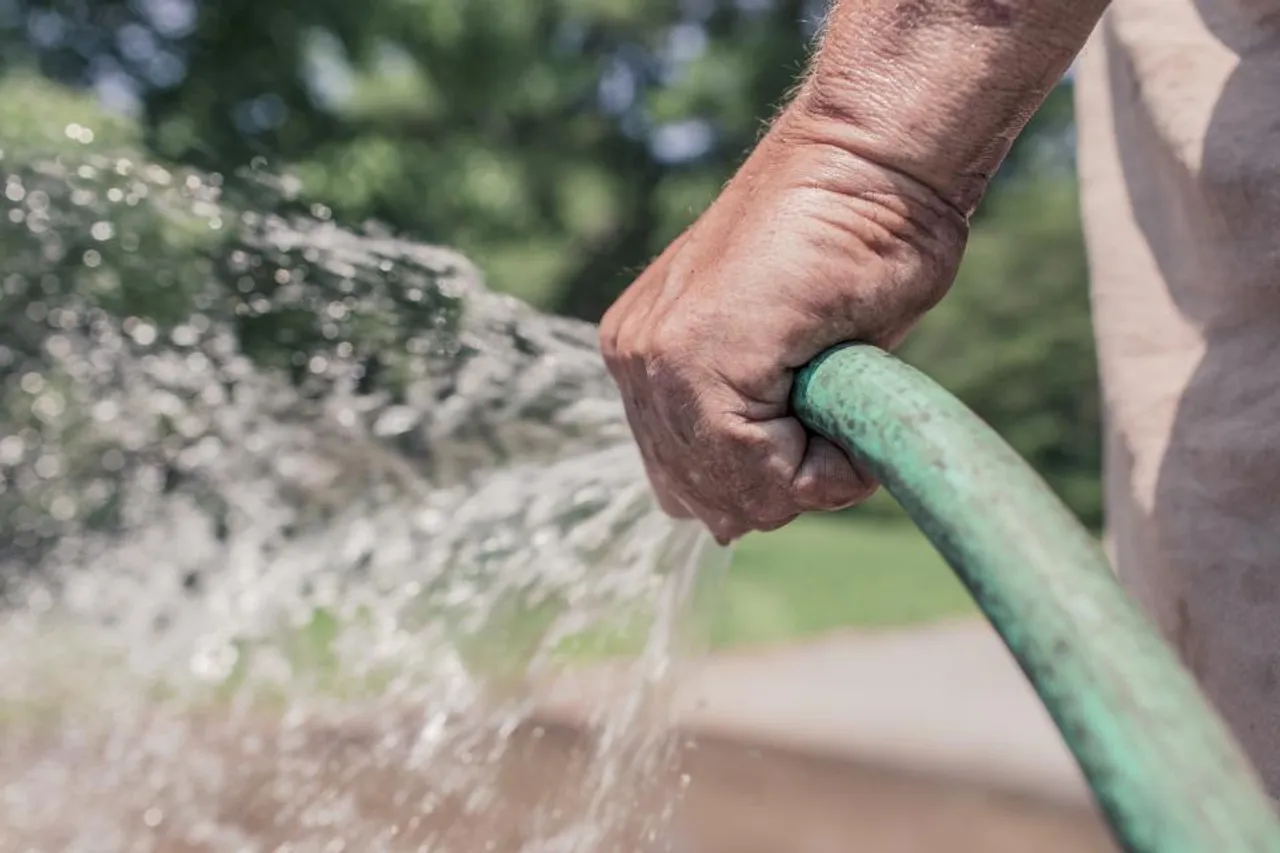
Spring cleanup feels like a race the moment the first warm day arrives. The instinct is to grab the rake and start tearing everything out. But a garden coming out of winter is fragile, and the order you do things in matters more than the length of your list. Do the jobs in the right sequence and the season sets up almost by itself. Rush them and you will be redoing work in May, or worse, stepping on plants that were fine where they were.
Wait for the ground to drain
The first job in spring is not a chore — it is patience. Walking on wet soil compacts it, squeezing out the air spaces roots need and turning the bed hard. The test is simple: squeeze a handful of soil. If it holds together in a wet ball, the ground is still too soft to work. If it crumbles, you are clear to start. Until then, keep off the beds and leave the cleanup for a dry stretch.
Cut back what winter finished, not what it did not
Clear away the material that is truly dead: broken stems, matted leaves, anything soft and slimy. But hold off on the perennials that still look alive, even if they look messy. Many beneficial insects overwinter in hollow stems and leaf litter, and cutting everything to the ground the first week of spring evicts them before they have done their job. Wait until new growth is clearly underway, then trim the old stems down to make room for it.
Feed the soil before you feed the plants
Once the beds are clear, the best single thing you can do for the season is add a layer of finished compost around the base of your plants. An inch or two spread over the soil feeds the whole bed slowly as it breaks down, and it does not burn anything the way a quick-release fertilizer can. Think of it as feeding the soil, not the plant. Healthy soil does the rest of the work for you.
Repair, then plant
Spring is the time to fix structure before you add anything new. Re-edge beds, top up paths, and repair any trellis or support that winter loosened. Doing this before planting means you are not digging around new roots a month later. Once the bones of the garden are sound, then you can plant. And when you do, resist the urge to crowd — a new plant with room to grow will outlast three that are fighting for the same patch.
Let the bulbs finish
If you have spring bulbs, leave their foliage alone after the flowers fade. Those leaves are feeding the bulb for next year, and cutting them early is how you end up with leaves but no flowers the following spring. Let them yellow and fall on their own, and fold the dying foliage under nearby plants if it bothers you.
Divide and move while the soil is still cool
Early spring is the best window for splitting perennials that have outgrown their space. Plants that crowd themselves flower less, and a clump that has gone woody in the middle is asking to be divided. Dig the whole clump, slice it into a few healthy pieces with a sharp spade, and replant the best sections with room around them. The cool, moist spring soil gives the new divisions a gentle start before summer’s heat arrives.
It is also the moment to move anything that has been struggling where it is. A shrub that never bloomed in the shade of the porch, a perennial that got drowned in a low wet spot — dig it now, while it is still dormant or just waking, and give it a better home. Moving a plant in spring is a second chance; moving it in July is a gamble.
The reward is a garden that starts itself
Do these jobs in order — drain, cut, feed, repair, plant, wait — and spring stops feeling like a sprint. The beds will be softer, the soil richer, and the garden will carry more of its own momentum into summer. That is the whole point of doing the season in the right order: you are not just cleaning up last year. You are setting up the next one.
 Plants & Care
How to Water Houseplants Without the Guesswork
Stop watering on a schedule and learn the two signals every houseplant gives you, so you water when the plant needs it — not when the calendar says so. Outdoor Spaces
A Small Patio That Feels Like a Garden Room
Three moves — ground cover, a seat that faces something green, and a few big pots — turn a bare patio into a room you'll actually use. Soil & Compost