Reading a Plant's Leaves: What the Damage Is Telling You
Yellow, crispy, pale or chewed — each kind of leaf damage points at a different cause. Here is how to read a plant before you reach for a fix.
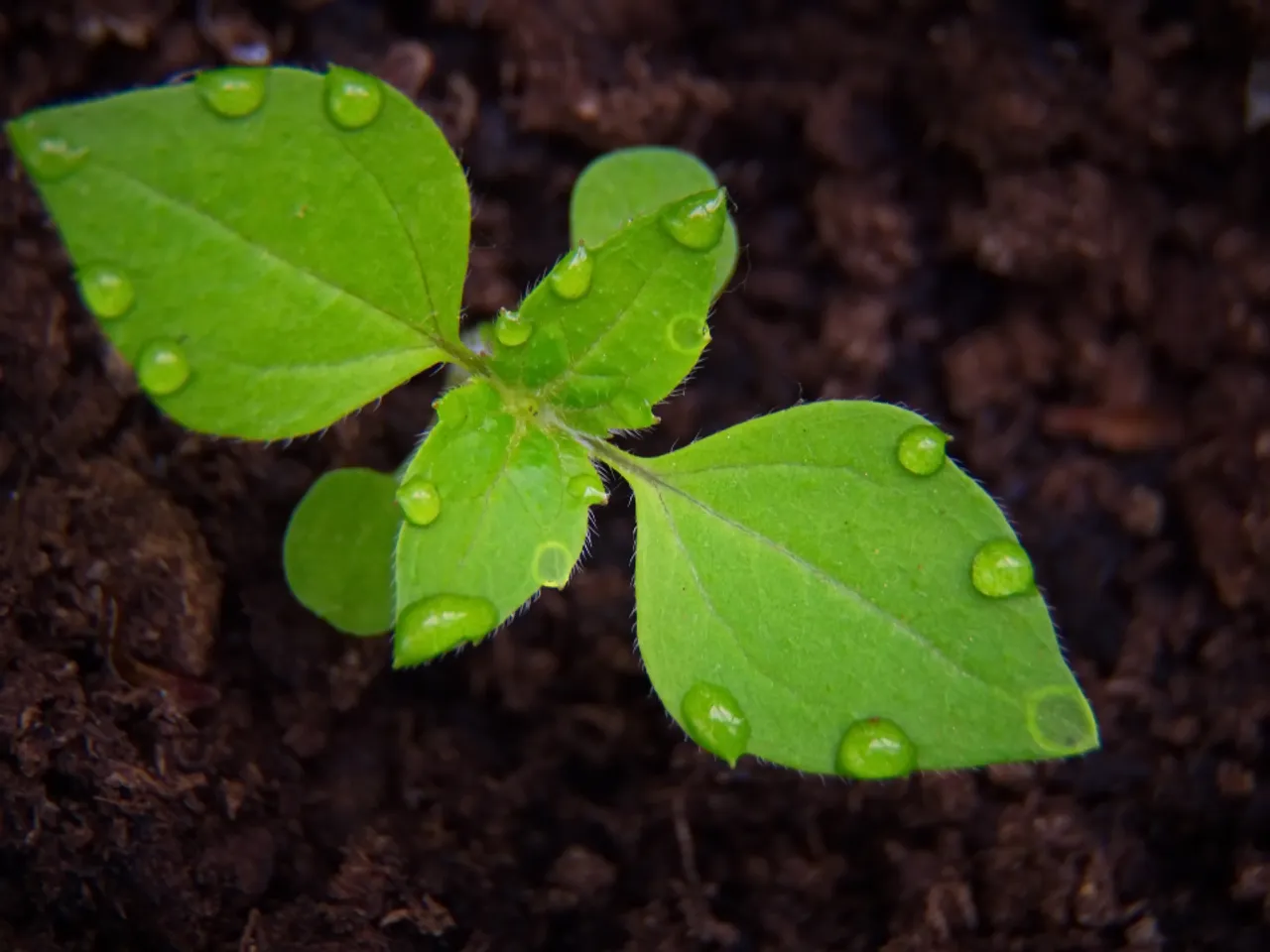
A plant cannot tell you what is wrong. It can only show you, one leaf at a time, and the showing is easy to misread. Most of us see a yellow leaf and reach for fertilizer, or see a brown edge and water more. Half the time that makes it worse, because the symptom we noticed is not the problem we have. Leaves are a report card, and like any report card they need to be read in order: look at where the damage is, how it is spreading, and only then decide what to do.
First question: old leaves or new ones?
Before you look closely at a single leaf, look at the whole plant. Is the damage on the oldest leaves near the bottom, or on the newest growth at the tips?
Damage that starts at the bottom and works upward is usually the plant retiring leaves it can no longer support. That can be normal — a plant sheds old foliage as it grows — or it can be a shortage: not enough light, not enough food, or roots that are too wet to work. Damage that appears first on new growth is a different story. It usually means something the plant needs to build tissue is missing, or the growing tip is being damaged as it forms.
That one question narrows the possibilities more than anything else you can do in the first five minutes.
Yellow leaves, read two ways
A yellow leaf is a leaf that has stopped making chlorophyll. The reason it stopped is what matters.
If a single old leaf goes yellow and the rest of the plant looks fine, let it go. Leaves are not permanent, and a plant that is putting out new growth while dropping an old leaf is healthy. Pull it off gently once it comes away with a light tug, or snip it so the plant stops spending on it.
If several leaves yellow at once, look at your watering first. Yellowing from the bottom up, with soil that stays damp for days, is the classic sign of roots sitting in water. Yellowing with soil that dries out fast can be the opposite. In both cases the leaf looks similar; the soil tells you which one you have, and how to water houseplants without the guesswork walks through the finger test that settles it.
Crispy brown edges and tips
A brown, crisp edge is tissue that dried out. That points to water: either the plant is not getting enough, or it is getting plenty and losing it faster than it can take it up.
Check the soil. Dry all the way down means water more thoroughly, not more often. Damp soil with crispy tips points somewhere else — dry air, a hot draft from a vent, or a plant that has been in the same small pot long enough that roots fill it and water runs straight through. If the pot is solid with roots when you slide the plant out, it is time to repot, and the browning will stop once there is soil around the roots again.
Soft brown patches
Soft, dark, spreading patches are a different problem from dry brown edges, and they are the one to take seriously. Wet tissue that collapses points to rot, and rot in a pot almost always starts with water that has nowhere to go — no drainage hole, a saucer that never gets emptied, or soil that holds water like a sponge.
Cut away the affected leaf with a clean blade, let the soil dry down further than feels comfortable, and fix the drainage before you do anything else. Watering a rotting plant more is the one treatment that reliably kills it.
Pale leaves and washed-out color
A plant that has gone a lighter green than it used to be is usually short on light or short on food, and the position of the paleness tells you which. Pale new growth with green old leaves is often a nutrient question. Evenly pale or stretched, small leaves across the whole plant are usually a light question — the plant is not getting enough to build strong tissue, and it is thinning out to compensate.
Move it somewhere brighter before you feed it. More light lets a plant use the food it already has, and feeding a plant that is starving for light just pushes soft growth that cannot support itself. When the room has no brighter spot to offer, the honest answer is a different plant: houseplants for a dark hallway lists the ones that evolved to cope.
Holes, notches and chewed edges
Damage with a shape is animal damage. Slugs and snails leave ragged holes and a trail; caterpillars chew from the edge inward; a notch cut clean out of a leaf edge is often a sign of a bee taking a piece for nesting. Indoor plants with sudden holes usually have a cat, not a pest.
This is the one group where the fix is mechanical and immediate. Find the animal, remove it, and stop there. Spraying a plant for damage that a cat or a slug caused adds a chemical problem to a solved one.
Curling, cupping and drooping
A curled leaf is a plant managing its own surface area. Leaves cup and curl inward when the plant is losing water faster than it can take it up, which is why curling often shows up on a hot day and eases by evening. If it eases, the plant is fine and the fix is shade or water, not treatment.
Drooping is different from curling. A plant that droops with firm stems is usually thirsty and will pick up within hours of a good soak. A plant that droops with soft, limp stems is usually overwatered, and it will not recover from more water. Read the soil before you lift the can.
Look at the leaf you did not notice
Before you decide anything, turn a few leaves over. The underside is where the small things live: fine webbing in the joins points to spider mites, sticky residue and tiny bumps point to aphids or scale, and a powdery white film is a mildew. All three are easy to manage early and stubborn later, and none of them will show up in a photo of the top of the plant.
Also check the newest leaves at the very tip of each stem. A plant that is growing new leaves is a plant with something left to work with. A plant with no new growth at all is the one that needs the most careful look, whatever its other symptoms are.
Change one thing, then wait
The hardest part of plant care is that the feedback loop is slow. A leaf that has already turned will not turn back, so the evidence of your fix is new growth, and new growth takes weeks. That is why the temptation is to do everything at once — water more, feed, move it, repot it — and then have no idea which change worked.
Pick the single most likely cause, change that one thing, and give it a few weeks. If the plant stops producing damaged leaves, you were right. If it keeps going, you have learned something real about the plant, which is worth more than a shelf of bottles. The plant was talking the whole time. Reading it is a skill, and like any skill it gets easier the more plants you actually look at.
 Plants & Care
How to Water Houseplants Without the Guesswork
Stop watering on a schedule and learn the two signals every houseplant gives you, so you water when the plant needs it — not when the calendar says so. Plants & Care
Starting Seeds Indoors Without a Grow Light
A sunny window, a shallow tray and a bag of seed-starting mix will get most seeds up. What matters is depth, warmth and light from the moment they show. Small Spaces